
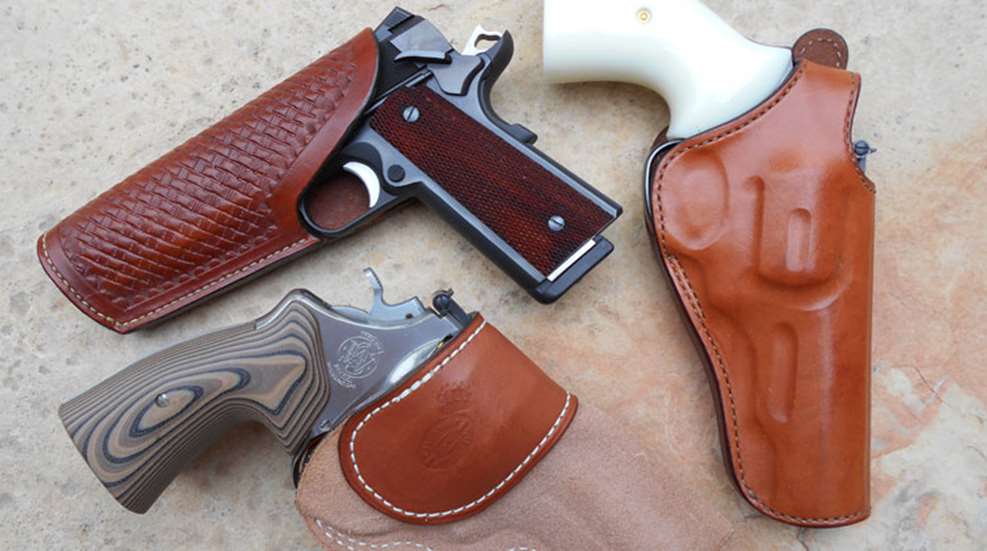
For revolver owners, selecting a holster is a decision of paramount importance. It’s not just an accessory; it’s a critical piece of safety equipment that protects the firearm, ensures quick and reliable access, and provides comfort for the user. With a vast and often overwhelming array of options on the market, from classic leather to modern synthetics, finding the right fit can feel like a daunting task. However, by understanding the key factors that govern a holster’s design and function, you can make an informed choice that meets your specific needs for concealment, security, and draw speed.
The relationship between a firearm and its holsters for revolvers is a deeply personal one, shaped by the user’s body type, lifestyle, and intended use. A holster that works perfectly for open carry on a ranch will be entirely unsuitable for concealed carry in an urban environment. Therefore, the journey to finding the right holster is a process of careful consideration and thoughtful evaluation, not just a simple purchase.
The Anatomy of a Holster: Understanding the Basics
Before diving into the options, it’s essential to understand the fundamental components and characteristics of a holster.
- Retention: This is the most crucial aspect of a holster. It refers to how securely the firearm is held in place. There are two kinds of holster retention namely passive and active. Passive retention relies on friction and the molded shape of the holster to hold the gun. Active retention, often seen in duty holsters, uses a mechanical device, such as a thumb break or a release button, to lock the firearm into place.
- Material: Holsters are made from a variety of materials, each with its own pros and cons. Leather is natural and cozy and fits the body as time goes by. Kydex, a modern thermoplastic, is durable, waterproof, and offers excellent passive retention. General-purpose, universal holsters are usually made of nylon and other synthetic fabrics.
- Carry Position: This refers to where the holster is worn on the body. Common positions include strong-side hip (3-4 o’clock for a right-handed person), appendix carry (AIWB, in front of the hip), small of the back, and cross-draw. The carry position heavily influences the type of holster you need.
Understanding these basics is the first step toward narrowing down the many choices.
The Revolver’s Role: Size, Weight, and Caliber
Revolvers are available in a tremendous variety, including a small five-shot snub-nose all the way up to a huge, lengthy-barreled magnum. The nature of the holster you will require will depend on the peculiarities of your gun.
- Snub-Nose Revolvers: These small revolvers are designed for deep concealment. They are lightweight and easy to hide, making them ideal for pocket carry or appendix carry. Holsters for these firearms are often minimalist, with just enough material to cover the trigger guard and hold the gun securely.
- Medium-Frame Revolvers: The most common size, these are versatile for both concealed and open carry. A well-designed IWB or OWB holster for a medium-frame revolver will distribute the weight and provide a comfortable fit for all-day wear. The holster’s material, such as a hybrid Kydex-leather design, can make a significant difference in comfort for these heavier firearms.
- Large-Frame Revolvers: Designed for magnum calibers and hunting, these revolvers are heavy and long. They are not suitable for concealed carry. Holsters for large-frame revolvers must be robust, with strong belt loops and often a chest or shoulder harness to distribute the weight across the body. The retention will be paramount to prevent the heavy firearm from shifting during movement.
A holster that is not specifically molded for your exact model of revolver may not provide the necessary retention or protection. Always choose a holster that is designed for your specific firearm.
Conclusion: A Foundation of Safety and Confidence
Choosing the right holster for your revolver is a critical step in responsible gun ownership. It is a decision that affects your safety, your comfort, and your ability to carry your firearm with confidence. By considering the holster’s retention, material, carry position, and how it aligns with your specific revolver and lifestyle, you can find a holster that not only serves its purpose but also becomes an integral and trusted part of your daily routine. The perfect fit is more than just a convenience; it’s a foundation of security and peace of mind.

 Best Legal Advice