
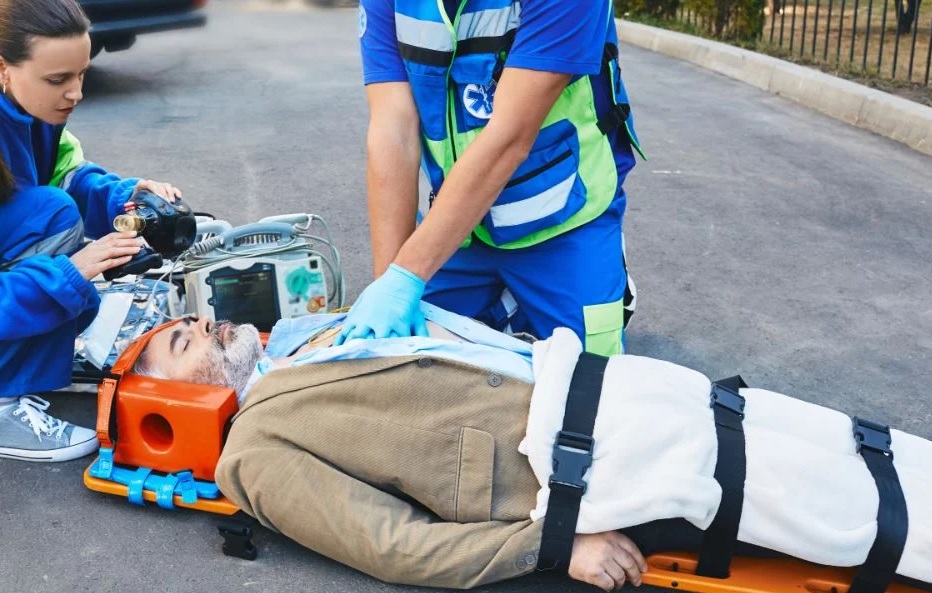
When an accident results in a catastrophic injury, the Catastrophic Injury Lawyers – Shea & Shea Law legal challenge shifts from proving who was at fault to accurately predicting the future. Unlike a standard personal injury case where a victim might recover fully within a few months, catastrophic injuries—such as traumatic brain injuries, spinal cord damage, or severe burns—alter the course of a person’s life forever. In these instances, a lawyer’s primary responsibility is to ensure that the compensation awarded today will be sufficient to cover the victim’s needs thirty, forty, or fifty years into the future. Proving these long-term damages requires a sophisticated blend of medical science, economic forecasting, and powerful storytelling.
The Role of the Life Care Planner
The most critical witness in a catastrophic injury case is often the life care planner. These are highly specialized healthcare professionals who create a detailed roadmap of every medical and non-medical need the victim will have for the rest of their life. A life care plan is an exhaustive document that lists everything from the frequency of future surgeries and physical therapy sessions to the cost of specialized wheelchairs, home modifications, and around-the-clock nursing care.
By presenting a life care plan, the lawyer moves the conversation from abstract “pain and suffering” to concrete, line-item expenses. The life care planner bases their projections on current medical data and the victim’s specific prognosis. This document serves as the primary evidence used to justify the significant dollar amounts requested in court. Without a professionally vetted life care plan, it is nearly impossible to convince a jury or an insurance adjuster of the true, multi-million dollar cost of a lifetime of disability.
Projecting Economic Losses Through Vocational Experts
Beyond the cost of medical care, a catastrophic injury strips a person of their ability to earn a living. To prove the value of lost future earnings, lawyers utilize vocational experts and forensic economists. A vocational expert assesses the victim’s education, skills, and work history to determine what their career trajectory would have been had the injury never occurred. They analyze the local labor market to prove that the victim is now partially or totally “unemployable.”
Once the vocational expert establishes what the victim would have earned, the forensic economist calculates the “present value” of those future earnings. This calculation must account for complicated variables such as inflation, expected raises, and the loss of employer-provided benefits like health insurance and 400k contributions. By the time these experts finish their analysis, they can provide a precise figure representing the total wealth that was taken away from the victim at the moment of the accident.
Quantifying Non-Economic Damages and Human Impact
While medical bills and lost wages are tangible, the “human” cost of a catastrophic injury—often called non-economic damages—is more difficult to quantify. This includes the loss of enjoyment of life, the loss of consortium for a spouse, and the profound mental anguish that comes with a permanent disability. To prove these damages, lawyers often use “Day-in-the-Life” videos. These are professionally produced documentaries that show the jury the grueling reality of the victim’s daily routine, from the struggle of getting dressed to the emotional toll of being unable to play with their children.
Testimony from family members and friends also plays a vital role. These witnesses provide the “before and after” perspective that medical charts cannot capture. They describe the victim’s personality, hobbies, and dreams prior to the injury, contrasting them with the current reality. This emotional evidence is essential for helping a jury understand that the damages in a catastrophic case are not just about paying bills, but about acknowledging a fundamental loss of identity and human experience.
Conclusion
Proving long-term damages in a catastrophic injury case is a monumental task that requires a lawyer to be part medical historian, part economic strategist, and part empathetic advocate. By coordinating a team of life care planners, economists, and medical specialists, a legal team can transform a tragic accident into a structured plan for the victim’s future. The goal of this evidence is to ensure that while the victim’s life has been changed, their dignity and quality of care remain protected. In the end, winning a catastrophic injury case is about more than just a single courtroom victory; it is about securing the financial foundation that allows a survivor to focus on healing rather than survival.

 Best Legal Advice