
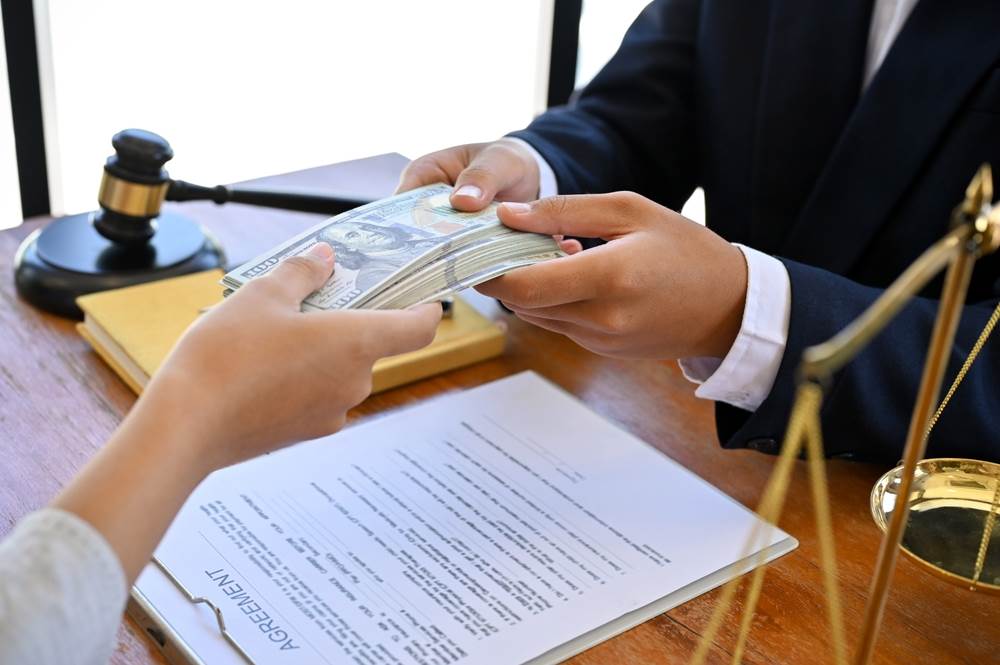
Paying bail can feel overwhelming. A common question people ask is: “Do I get my bond money back?” The answer isn’t always simple. It depends on how you posted bail, whether you followed court requirements, and what happens at the end of your case.
Let’s walk through the details so you’ll know exactly what to expect.
What Is Bail, and Why Do Courts Require It
Bail is an amount of money the court sets so a defendant can be released from custody before their trial. It acts as a guarantee that the person will appear in court and follow any conditions of release.
Depending on jurisdiction and the type of bond, there are different ways to post bail: paying cash yourself, hiring a bondsman, or using property as collateral.
When You Can Get Bail Money Back
You may get your bail money back under these conditions:
- You attend all court hearings
- You follow the terms set by the court (no violating travel restrictions, no new arrests, etc.)
- Your case concludes (regardless of outcome) – whether you are found guilty, innocent, or charges are dropped
So, if you’re wondering “do I get my bond money back if I’m found guilty?”, the answer is usually yes – as long as you followed all the rules. However, the court might deduct fees, fines, or any other costs you’re legally responsible for.
How Bail Is Posted: Cash, Bond, or Property
How you posted bail matters a lot for whether you get money back:
- Cash Bail
If you paid the full bail amount in cash directly to the court, and you followed all court requirements, you’ll usually get that money back – minus any deductions. - Bail Bond
When you use a bondsman, you pay a non-refundable fee (often about 10–15% of the bail). That fee is theirs to keep. Even if you’re asking “do I get my bond money back if I showed up to court?”, that service fee is not refundable. If you put up collateral, that collateral is released when the case wraps up. - Property Bonds
Sometimes you can use property instead of cash. A lien is placed on whatever you use as collateral. If you meet all the court’s conditions, the lien is removed. You won’t get cash back; you simply regain full control over your property.
Why and How Bail Money May Be Lost
There are several situations where you may lose bail money entirely:
- Missing a court date
- Violating the release conditions (like ignoring restrictions or failing to check in as required)
- Being arrested for a new offense while out on bail
Occasionally, courts may let you apply for a refund if you have a valid reason for missing court – such as medical emergencies – but that’s up to the judge or court rules.
How to Make Sure You Get Refunds Without Hassle
To improve the chances of getting your bail money back with minimal headache:
- Keep your original bail receipt and all court documentation.
- Once your case ends, contact your court clerk’s office and ask what you need to do to claim your refund.
- Fill out any required refund forms – often called “Cash Bond Refund Forms” or similar.
- Show photo identification when requested.
- Be patient – refunds take time, because courts have to verify everything first.
This step is crucial for anyone wondering, “How do I get my bond money back quickly and without problems?”
How Long Does Bail Refund Usually Take
Timing depends on where you are and the court’s workload. Some benchmarks:
- Cash bail refunds generally take 2-12 weeks after your case closes.
- If you used property as collateral, releasing the lien might take 4-8 weeks, depending on paperwork and court approval.
- If there were administrative delays – missing paperwork, backlog, etc. – expect extra time.
Quick FAQ: Common Questions About Bail Refunds
- If charges are dropped, do you still get your bail back?
Yes, if you met all court conditions, though there may be some deductions. - What happens if you are found guilty?
As long as you attended every court date and complied with the release terms, you still usually receive the bail back (minus any court-related fees). - Is the bail bond fee refundable?
No, that fee is non-refundable – it’s the service charge for using a bondsman. - What if someone else paid your bail?
Whoever posted the money or provided the collateral usually gets the refund – unless you made special arrangements ahead of time.
Final Takeaway
If you’ve been asking yourself, “do I get my bond money back?”, the bottom line is: yes, in many cases you can – but it depends on how bail was posted, whether you met all court requirements, and whether there were any fees or legal obligations that need to be settled. If you stay organized, follow the rules, and do what the court requires, odds are good that your bail funds will be returned.

 Best Legal Advice